
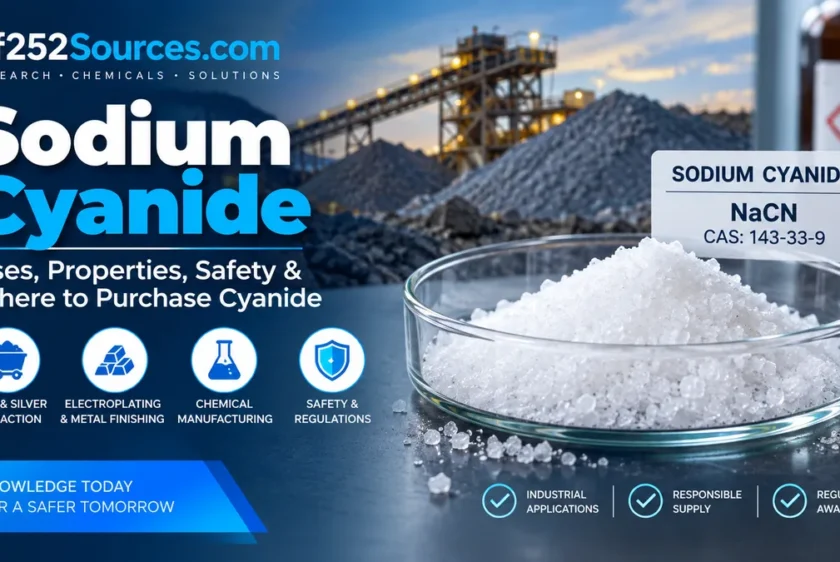
Sodium cyanide is an inorganic chemical compound with the formula NaCN and CAS number 143-33-9. It is typically encountered as a white crystalline solid, powder, pellets or briquettes. Sodium cyanide is an important industrial chemical used in specialized applications such as gold and silver extraction, electroplating, metal treatment and chemical manufacturing, but it is also extremely toxic and is subject to strict safety, transport and regulatory controls.
Because sodium cyanide can cause severe poisoning and can release highly toxic hydrogen cyanide under certain conditions, it is not an ordinary chemical for consumer use. Professional organizations handling it need appropriate facilities, trained personnel, documented procedures and compliance with applicable regulations.
Sodium Cyanide at a Glance
| Property | Information |
|---|---|
| Chemical Name | Sodium Cyanide |
| Formula | NaCN |
| CAS Number | 143-33-9 |
| EC Number | 205-599-4 |
| Molecular Weight | 49.007 g/mol |
| Appearance | White crystalline solid |
| Chemical Type | Inorganic cyanide salt |
| Main Industrial Role | Specialized industrial chemical |
| Major Industrial Applications | Mining, electroplating, metal processing, chemical manufacturing |
The chemical identity and molecular information are documented by PubChem.
What Is Sodium Cyanide Used For?
Sodium cyanide has several documented industrial applications. Its most important uses include precious-metal extraction, electroplating, metal treatment and chemical manufacturing.
Let’s look at the major applications.
1. Gold Mining and Gold Extraction
One of the best-known industrial applications of sodium cyanide is in gold mining.
Sodium cyanide can be used in industrial processes that separate gold from ore. Its chemical properties allow gold to be processed from mineral-bearing material as part of controlled mining operations.
Because cyanide is highly hazardous, mining operations using cyanide require specialized equipment, environmental controls, worker protection and regulatory oversight.
PubChem identifies gold and silver extraction as established uses of sodium cyanide.
2. Silver Extraction
Sodium cyanide is also associated with silver extraction from ores.
Industrial precious-metal processing can use cyanide chemistry to help separate valuable metals from mineral material.
This is a specialized industrial application rather than a general laboratory or consumer use.
3. Electroplating
Another important use of sodium cyanide is electroplating.
Electroplating uses an electrical process to deposit a metal coating onto another material. Cyanide-containing chemical systems have historically been used in certain metal-plating processes.
PubChem identifies electroplating among the documented uses of sodium cyanide.
Modern facilities must comply with applicable occupational, environmental and hazardous-material requirements when handling cyanide compounds.
4. Metal Treatment
Sodium cyanide has also been used in certain metal-treatment and metal-processing applications.
These applications can involve specialized industrial processes where cyanide chemistry provides particular chemical properties.
Such processes require controlled industrial environments and appropriate safety systems.
5. Chemical Manufacturing
Sodium cyanide can also serve as a chemical raw material or reagent in certain manufacturing processes.
It is associated with the production of various chemical substances and has historically been used in chemical manufacturing.
Because of its extreme toxicity, chemical manufacturers using sodium cyanide must implement appropriate controls for handling, storage, transport and waste management.
6. Pharmaceutical and Chemical Research
Cyanide chemistry can also occur in specialized chemical and pharmaceutical research.
This does not mean sodium cyanide is an ordinary research chemical for general laboratory use. Its extreme toxicity means that laboratories working with it require suitable facilities, trained personnel and appropriate institutional controls.
7. Metal Cleaning and Processing
Sodium cyanide has also been documented in applications involving metal cleaning and processing.
These are specialized industrial applications where the chemical properties of cyanide compounds are used under controlled conditions.
Why Is Sodium Cyanide Used in Industry?
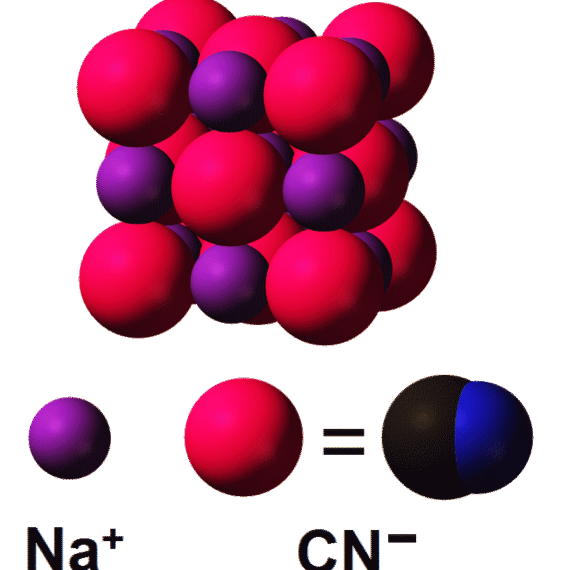
The usefulness of sodium cyanide comes from the chemical behavior of the cyanide ion (CN⁻).
In industrial chemistry, cyanide can interact strongly with certain metals. This property is particularly important in precious-metal processing and some metal-finishing applications.
However, the same chemical characteristics that make cyanide useful industrially also make it extremely hazardous.
This is why sodium cyanide is handled very differently from common industrial chemicals such as soda ash or sodium carbonate.
Sodium Cyanide Chemical Formula
The chemical formula for sodium cyanide is:
NaCN
It consists of sodium and cyanide ions.
Its molecular weight is approximately:
49.007 g/mol
PubChem lists sodium cyanide under CAS number 143-33-9.
Sodium Cyanide CAS Number
The CAS number for sodium cyanide is:
143-33-9
Other important identifiers include:
- Chemical name: Sodium cyanide
- Formula: NaCN
- Molecular weight: 49.007 g/mol
- EC number: 205-599-4
- PubChem CID: 8929
These identifiers are useful when checking SDS documents, regulatory records and laboratory or industrial documentation.
What Does Sodium Cyanide Look Like?
Sodium cyanide is generally described as a white crystalline solid. It can occur in forms such as powder, lumps, pellets or briquettes depending on the commercial material.
It is important not to rely on appearance alone to identify a chemical.
Proper chemical identification should always come from the container label, SDS, product specification and appropriate analytical documentation.
Is Sodium Cyanide Dangerous?
Yes. Sodium cyanide is extremely toxic.
PubChem describes it as a deadly poison by ingestion and notes that exposure can also occur through inhalation and skin absorption. It can interfere with the body’s ability to use oxygen and can cause severe systemic effects.
EPA likewise describes cyanide as extremely toxic to humans and reports potential effects involving the nervous, cardiovascular and respiratory systems.
This makes proper professional controls essential.
Sodium Cyanide and Hydrogen Cyanide
One of the important hazards associated with cyanide compounds is their relationship with hydrogen cyanide (HCN).
Sodium cyanide can release hydrogen cyanide under certain conditions. Hydrogen cyanide is an extremely toxic gas. PubChem specifically warns that sodium cyanide can release hydrogen cyanide and that exposure can rapidly become fatal.
For this reason, cyanide-containing chemicals require strict control of their storage, handling and working environment.
Sodium Cyanide Safety
Organizations working with sodium cyanide should have appropriate professional safety systems in place.
Important considerations include:
- Appropriate chemical training
- Suitable engineering controls
- Correct PPE
- Proper chemical storage
- Appropriate labeling
- Emergency procedures
- Exposure-control measures
- Waste-management procedures
- Environmental controls
- Applicable hazardous-material transport procedures
- Current SDS documentation
The exact requirements depend on the workplace, jurisdiction and application.
Sodium Cyanide Storage
Sodium cyanide requires carefully controlled storage.
Professional facilities should follow the current SDS and applicable regulations for the specific material.
Storage planning should consider:
- Secure access
- Appropriate containers
- Protection from incompatible materials
- Moisture control
- Proper labeling
- Emergency response arrangements
- Separation from materials that could create hazardous reactions
Because improper handling can result in severe poisoning, sodium cyanide should never be treated as an ordinary general-purpose chemical.
Sodium Cyanide Regulations
Sodium cyanide is subject to regulatory requirements in many jurisdictions because of its toxicity.
In the European regulatory framework, ECHA identifies sodium cyanide under EC 205-599-4 and CAS 143-33-9 within the regulatory context for salts of hydrogen cyanide.
Regulatory obligations can differ according to:
- Country
- Quantity
- Intended use
- Storage
- Transportation
- Import/export
- Workplace activity
- Environmental requirements
Companies should therefore check the rules that apply to their specific location and operation before handling cyanide compounds.
Where to Purchase Cyanide?
If you are searching “where to purchase cyanide,” it is important to understand that sodium cyanide is a highly toxic, tightly controlled industrial chemical rather than an ordinary online chemical product.
Legitimate industrial organizations that have an authorized requirement should work through the appropriate licensed and regulated chemical-supply channels and verify the legal, safety and documentation requirements that apply to their operation.
For this reason, a responsible supplier should not treat sodium cyanide like an ordinary retail chemical or provide unrestricted purchasing instructions.
Before any legitimate industrial procurement process, organizations should establish:
- The exact chemical identity
- Intended professional application
- Applicable regulatory requirements
- Required authorization or licensing
- SDS requirements
- Transport requirements
- Storage arrangements
- Environmental controls
- Qualified personnel and facilities
Cf252 Sources can provide chemical information and professional enquiry guidance, but cyanide procurement is subject to applicable regulatory requirements and is not presented as unrestricted consumer purchasing.
Sodium Cyanide for Industrial Applications
Sodium cyanide is primarily associated with specialized industrial operations.
Industries that may work with cyanide chemistry include:
Mining
Particularly precious-metal extraction and processing.
Metal Finishing
Including certain electroplating and metal-treatment operations.
Chemical Manufacturing
Where cyanide chemistry is required as part of an approved manufacturing process.
Specialized Research
Professional laboratories with appropriate facilities and controls may work with cyanide compounds for specialized research.
These applications require a substantially higher level of safety and regulatory control than ordinary industrial chemicals.
Sodium Cyanide vs Potassium Cyanide
Sodium cyanide and potassium cyanide are different chemical compounds.
| Property | Sodium Cyanide | Potassium Cyanide |
|---|---|---|
| Chemical formula | NaCN | KCN |
| Sodium/Potassium ion | Sodium | Potassium |
| CAS | 143-33-9 | 151-50-8 |
| Chemical type | Cyanide salt | Cyanide salt |
| Toxicity | Extremely toxic | Extremely toxic |
| Industrial use | Mining, electroplating, chemical processing | Specialized industrial applications |
Both require strict professional handling.
Sodium Cyanide vs Cyanide
The word cyanide describes a broader chemical group rather than one single chemical.
Examples include:
- Sodium cyanide
- Potassium cyanide
- Hydrogen cyanide
- Calcium cyanide
- Copper cyanide
- Silver cyanide
These substances have different chemical properties and applications.
Therefore, when discussing a chemical requirement, the exact compound and CAS number should always be identified.
Why Chemical Identification Matters
When purchasing or working with hazardous chemicals, the common name alone is not enough.
For sodium cyanide, the key identifiers are:
Sodium Cyanide
NaCN
CAS 143-33-9
Checking these details against the SDS and product documentation helps prevent confusion between sodium cyanide and other cyanide-containing substances.
Frequently Asked Questions
What is sodium cyanide?
Sodium cyanide is an inorganic cyanide salt with the formula NaCN and CAS number 143-33-9. It is a highly toxic chemical used in specialized industrial applications.
What is sodium cyanide used for?
Sodium cyanide is used in specialized industries including gold and silver extraction, electroplating, metal processing and chemical manufacturing.
What is the formula of sodium cyanide?
The chemical formula is NaCN.
What is the CAS number for sodium cyanide?
The CAS number is 143-33-9.
What is the molecular weight of sodium cyanide?
The molecular weight of sodium cyanide is approximately 49.007 g/mol.
Is sodium cyanide dangerous?
Yes. Sodium cyanide is extremely toxic and can cause severe or fatal poisoning.
Is sodium cyanide used in gold mining?
Yes. Sodium cyanide is an established chemical used in industrial gold extraction and mining.
Is sodium cyanide used for electroplating?
Yes. Electroplating is one of the documented industrial applications of sodium cyanide.
Where can I purchase cyanide?
Cyanide compounds are highly hazardous and regulated. Legitimate professional users should work through appropriately licensed and regulated chemical-supply channels and verify the requirements applicable to their specific operation and jurisdiction.
Can sodium cyanide release hydrogen cyanide?
Yes. Sodium cyanide can release hydrogen cyanide under certain conditions, which is a major reason for its stringent handling and safety requirements.
Is sodium cyanide the same as potassium cyanide?
No. Sodium cyanide is NaCN, while potassium cyanide is KCN. They are different chemical compounds, although both are highly toxic cyanide salts.
Conclusion
Sodium cyanide (NaCN) is a highly toxic inorganic chemical with important specialized industrial applications. It is used in areas including precious-metal extraction, electroplating, metal processing and chemical manufacturing.
Its industrial importance comes with significant responsibility. Sodium cyanide requires appropriate professional facilities, trained personnel, safety controls and compliance with applicable regulations.
If someone searches “where to purchase cyanide,” the relevant issue is not ordinary online availability but whether the organization is legally and professionally authorized to handle the specific cyanide compound for its intended purpose.


1 Comment
[…] If you are searching for where can I buy methylene chloride, it should be sourced through a legitimate chemical supplier that can provide the appropriate product specifications, Safety Data Sheet (SDS), and regulatory information for your intended professional use. Availability and permitted uses can depend on your country and application. […]